Temecula Wineries: The Complete Guide to Temecula Valley Wine Country (2026)

An hour north of San Diego, Temecula Valley is Southern California’s biggest wine country: close to 50 wineries, three scenic wine trails, winery hotels, restaurants and sunrise balloon flights, all inside one compact valley. This guide covers how the valley works, which trail to choose, what tastings cost, when to go and how to plan the day, whether you’re driving up from San Diego or Los Angeles for the afternoon or staying the weekend.
Temecula wine country at a glance
The Temecula Valley AVA was established on October 23, 1984, covering about 33,000 acres of rolling hills at 1,000 to 1,500 feet of elevation in southwest Riverside County. Commercial winemaking here dates to 1968, when the first modern vineyard was planted, so this is one of California’s younger wine regions, which is part of its appeal: it’s friendly, casual and built for visitors rather than collectors.
The valley’s secret is geography. Afternoon ocean breezes funnel inland through gaps in the Santa Ana Mountains, cooling warm days enough to grow a wide range of grapes. Nearly every winery sells its wine directly, in the tasting room and through its wine club, so you won’t find most of these bottles in stores. If you want to taste Temecula, you come to Temecula.
It is also one of the few wine regions where you can sleep at the winery. Several estates run hotels, villas or B&Bs, which turns a long day of tasting into an easy weekend. Compared with San Diego County’s smaller, more scattered wineries, Temecula is bigger, busier and more polished. Our San Diego vs. Temecula comparison breaks down which suits which kind of trip.
The three wine trails
Almost every winery sits along one of three roads east of the freeway. Pick a trail, and you’ve planned most of your day.

Rancho California Road
Rancho California Road runs straight from I-15 into the heart of the valley, and the region’s oldest, biggest and most famous wineries line it: names like Callaway, Mount Palomar, Thornton, Ponte, Wilson Creek, South Coast, Europa Village, Miramonte and Lorimar, with Monte de Oro and Doffo toward the eastern end. Expect large tasting rooms, on-site restaurants, live music on weekends, sweeping vineyard views and the biggest crowds. If you only have one day, this is where to spend it. A local tip: start at the far east end and work back west toward the freeway, so the last stop is closest to home.
De Portola Road
The De Portola Wine Trail is a roughly five-mile stretch of rolling hills along the valley’s southern edge, where vineyards share the road with equestrian ranches and some of the best views in the region. The wineries are generally smaller and quieter: Leoness Cellars with its lush grounds, Fazeli Cellars with its Moorish-style architecture, Robert Renzoni, Oak Mountain, Danza del Sol, Frangipani, Cougar, Gershon Bachus and Somerset, among others. Choose De Portola for scenery, relaxed tasting rooms and wines with an international bent, from Spanish and Italian varieties to Rhône blends.
Calle Contento
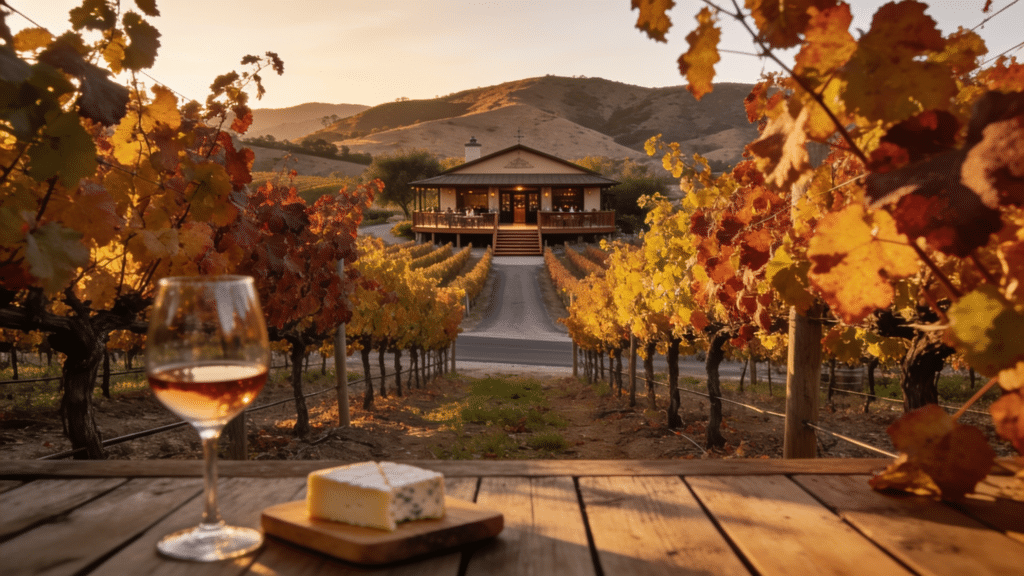
Calle Contento winds off Rancho California Road through vineyards and quiet country lanes. It’s the valley’s “off the beaten path” trail, with boutique producers, a slower pace and views in every direction. Vindemia, a sustainable vineyard that also runs a B&B and sunrise balloon flights, is a good example of the trail’s character. Add Calle Contento to a weekend, or use it to escape the weekend crowds on the main road.

What Temecula wine tastes like
Warm days, cool nights and well-drained sandy soils suit sun-loving grapes. Mediterranean and Rhône varieties are the valley’s strength: Syrah, Grenache, Mourvèdre and Viognier, plus Italian and Spanish grapes such as Sangiovese, Montepulciano, Tempranillo and bold Zinfandel. You’ll also find plenty of Cabernet Sauvignon and Merlot, sparkling wine, dessert wines and sweet styles for the party crowd. More than two dozen grape varieties grow here, so a day of tasting covers a lot of ground. Expect ripe fruit, soft tannins and wines made to drink young on a patio in the sun.

Tasting fees and reservations
| Experience | Typical cost | What you get |
|---|---|---|
| Standard tasting flight | $25–35 per person | 5–6 wines, often a logo glass to keep |
| Premium or reserve flight | $35–50+ | Reserve and library wines, sometimes seated with a host |
| Wine club tasting | Usually free for members | Complimentary flights, discounts, member events |
| Guided wine tour | $80–150+ per person | Transportation, 3–4 wineries, tastings often included |
| Hot air balloon flight | $200+ per person | Sunrise flight over the vineyards, usually with a toast |
Fees vary by winery and day, and many waive the tasting fee when you buy bottles. Weekends: reserve ahead at the popular estates, especially for groups of six or more. Weekdays: most wineries take walk-ins, the roads are empty and tasting-room staff have time to talk. If you can swing a Thursday or Friday, do it.
Best time to visit
Spring (March–May) is the sweet spot: green hills, wildflowers, new releases and the clearest skies for balloon flights. The Temecula Valley Balloon & Wine Festival, held the first weekend of June since 1984, draws tens of thousands for dawn balloon launches, evening glows and tastings from dozens of wineries. Summer is lively but hot, often above 90 degrees by mid-afternoon, so start early and taste indoors after lunch. Fall (September–November) brings harvest, crush events and golden vineyards. Winter is the quietest season, with easy reservations, cozy tasting rooms and the lowest hotel rates.
Getting there from San Diego and Los Angeles
From San Diego: take I-15 north about 60 miles, roughly an hour from downtown without traffic, and exit at Rancho California Road. Allow extra time on weekend afternoons, when the I-15 slows through Escondido and the Temecula Parkway stretch. If you want a wine stop on the way, Escondido’s San Pasqual Valley is right off the freeway; see our Escondido wineries guide.
From Los Angeles and Orange County: about 90 miles and 90 minutes to two hours via I-15 or the 91, depending on traffic. Many LA visitors make it a weekend.
Don’t drink and drive. Tastings add up fast. The valley has wine tour companies, shuttles, limo services and rideshare, and the wineries along Rancho California Road are close enough together that a tour hitting three or four in an afternoon is easy. Or stay at a winery hotel and walk.
Planning a day trip or weekend
One day from San Diego
Leave by 9 a.m., reach the valley by 10:30, and pick one trail. Three wineries is the right number: a morning tasting, lunch at a winery restaurant, then two afternoon stops. Head home before 5 p.m. to beat the worst of the I-15 traffic. Pack a cooler for bottles; our wine travel and chiller gear guide covers what works.
A weekend
Day one on Rancho California Road, night at a winery hotel or in Old Town Temecula, day two on De Portola Road with a detour down Calle Contento, and a sunrise balloon flight if you book early. Our wine country weekend itinerary shows how to combine Temecula with San Diego County stops.
Where to stay and what else to do
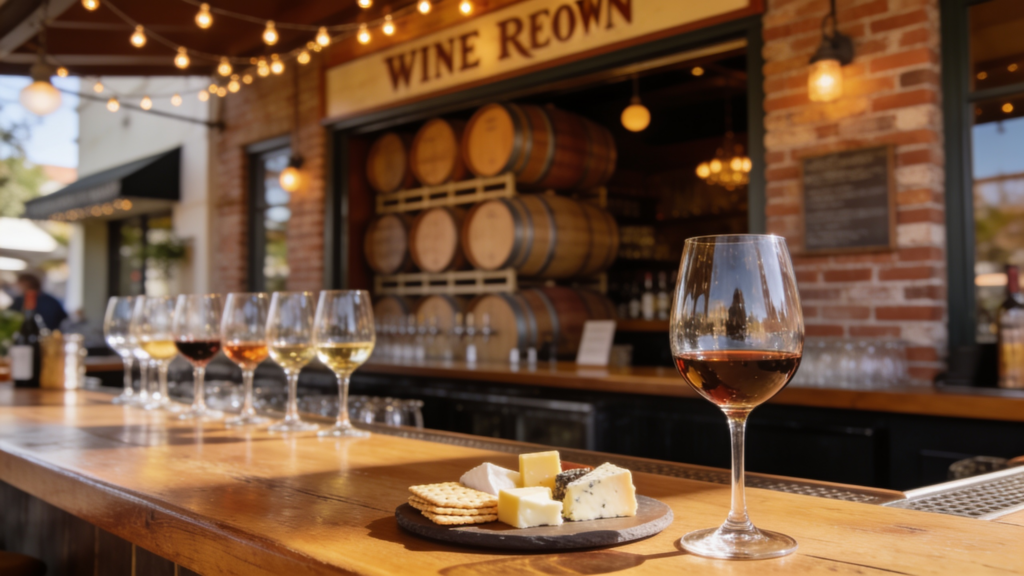
Winery hotels and villas: several estates on and near Rancho California Road offer rooms steps from the tasting room, the simplest way to taste all day without driving. Old Town Temecula: a walkable historic district 10 minutes from the vineyards with restaurants, tasting rooms, bars and shops, and the best base if you want nightlife. Beyond wine: sunrise balloon flights, horseback rides through the vineyards, the Pechanga resort and casino, golf, and the Santa Rosa Plateau’s hiking trails in spring.
Every Temecula winery
We’re building a complete directory of Temecula Valley wineries and tasting rooms, with maps, hours, phone numbers and the trail each one sits on, in the same format as our San Diego wineries directory. Browse the listings so far at Temecula wineries, and check back: new listings and winery guides are added every week.
FAQ
How many wineries are in Temecula?
Temecula Valley has close to 50 wineries spread across the 33,000-acre Temecula Valley AVA, most of them along Rancho California Road, De Portola Road and Calle Contento east of Interstate 15.
How far is Temecula from San Diego?
About 60 miles, roughly an hour’s drive north on Interstate 15 from downtown San Diego without traffic. From Los Angeles it’s about 90 miles and 90 minutes or more.
How much is wine tasting in Temecula?
Most Temecula tasting flights cost about $25 to $35 per person for five or six wines, often with a logo glass to keep. Premium and reserve flights cost more, and many wineries waive fees with a bottle purchase or club membership.
Do you need reservations for Temecula wineries?
On weekends, yes, at most of the popular wineries. Many take walk-ins on weekdays. Book ahead for groups of six or more, and check each winery’s policy before you go.
What is the best time to visit Temecula wine country?
Spring and fall are ideal, with mild weather, wildflowers or harvest activity, and good balloon conditions. Summer afternoons can top 90 degrees, so taste in the morning. Winter is the quietest and easiest for reservations.
Which Temecula wine trail should I pick for a day trip?
Rancho California Road if you have one day and want the big, well-known estates with restaurants and views. De Portola Road for smaller wineries, horses and scenery. Calle Contento for quiet backroads and boutique tasting rooms.