
San Diego Wine Trail Guide: The Best Routes in Wine Country
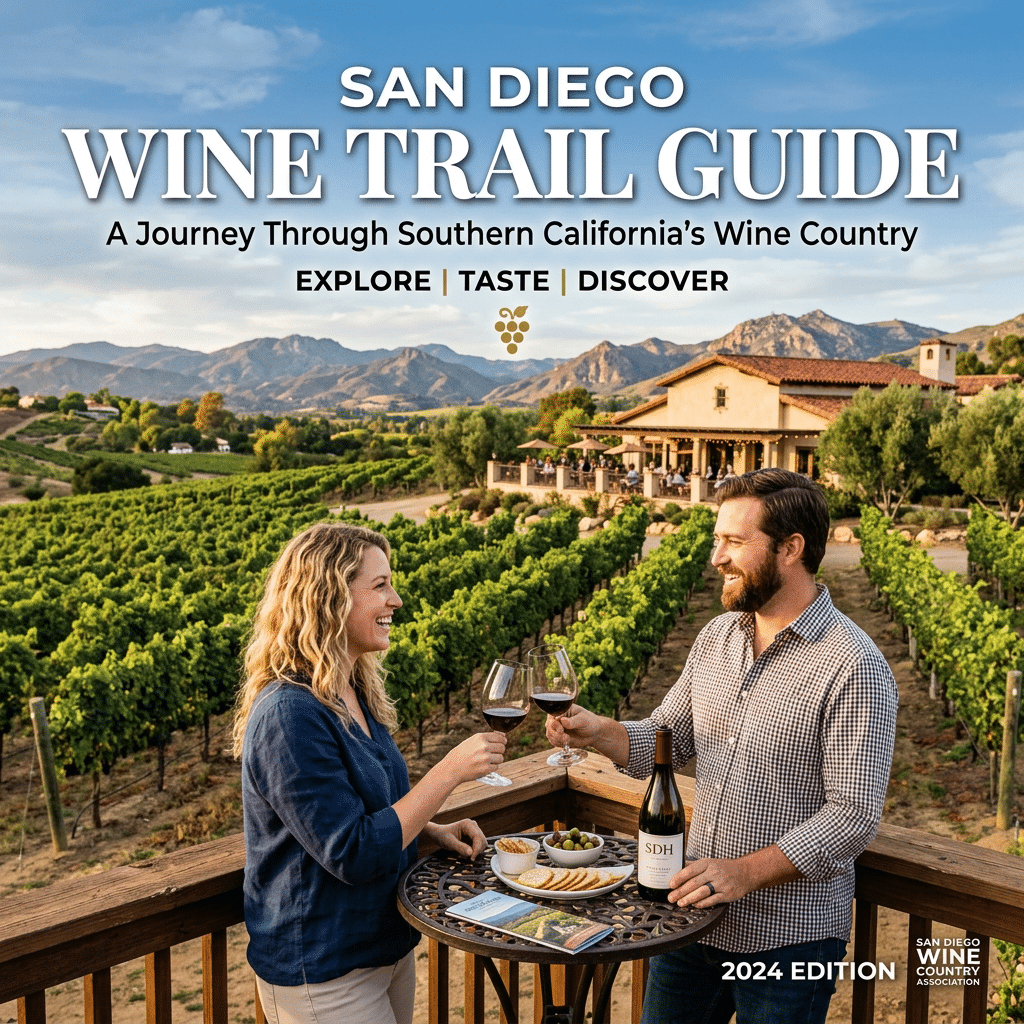
San Diego County is home to more than 100 licensed wineries spread across four distinct growing regions — and most visitors don’t know any of them exist. The county’s wine country starts just 45 minutes from the coast and stretches through mountain valleys, high-desert terrain, and ancient river beds that produce some of California’s most distinctive small-production wines.
This guide maps the main San Diego wine trail routes, gives you drive times from downtown, explains what each region is known for, and helps you build a full weekend itinerary whether you’re a casual sipper or a serious collector.
The Ramona Valley Wine Trail
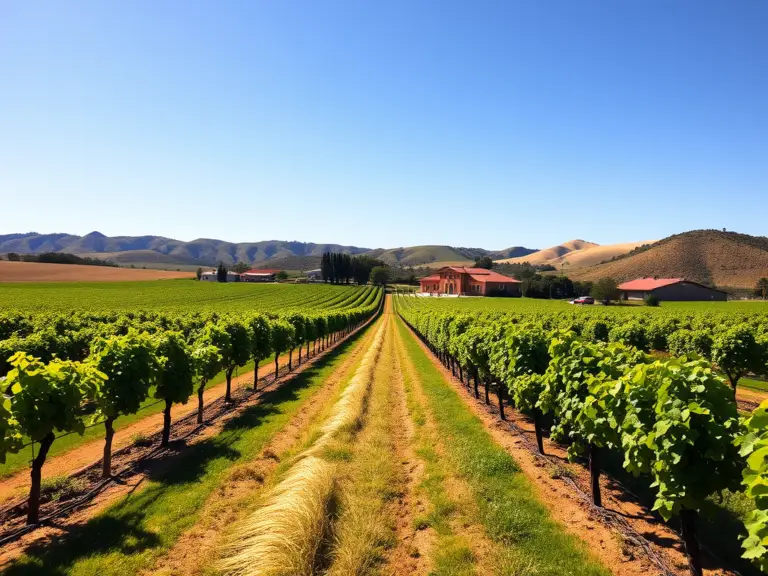
The Ramona Valley AVA is San Diego’s most developed wine trail and the best starting point for first-time visitors. Located about 45 minutes northeast of downtown via Highway 67, the valley sits at 1,400–2,800 feet elevation with the kind of temperature swings that build real complexity in red varietals.
What to expect: Bold reds — Zinfandel, Cabernet Sauvignon, Syrah, and Rhône blends dominate. Small, owner-operated tasting rooms where you’ll often meet the winemaker. Most are open Thursday through Sunday; weekend reservations recommended.
Key stops: Ramona Ranch Winery, Vineyard Grant James, Schwaesdall Winery, Shadow Mountain Vineyard, Milagro Farm Vineyards.
Drive time from downtown San Diego: 45–55 minutes.
Explore the full Ramona Valley winery directory and map every stop before you leave.
The Julian Wine Country Route
Julian is famous for apple pie, but the surrounding hill country has a growing collection of small wineries that most visitors overlook entirely. At elevations above 4,000 feet, Julian’s wine country produces cooler-climate expressions that stand in stark contrast to the Ramona Valley reds just 30 miles away.
What to expect: Lighter-bodied reds, some interesting whites, and a rustic mountain-town experience. Combine wine tasting with apple orchards, hiking, and small-town dining for a complete weekend.
Key stops: Menghini Winery (one of Julian’s oldest), Witch Creek Winery, and smaller estate producers operating by appointment.
Drive time from downtown San Diego: 60–75 minutes via Highway 78 or Highway 79.
Check the San Diego wine trails guide for the full Julian route with stops and hours.

San Pasqual Valley
San Pasqual Valley is San Diego’s oldest wine region and home to some of the county’s most historically significant wine properties. The valley runs along the San Dieguito River about 30 minutes northeast of downtown and sits at a lower elevation than Ramona, creating a distinct microclimate suited to Mediterranean varietals.
What to expect: Estate-grown wines with a coastal influence, often more restrained than the Ramona Valley style. The proximity to the San Diego Zoo Safari Park makes San Pasqual an easy combination day trip.
Key stops: Orfila Vineyards (the valley’s flagship winery), with newer producers establishing themselves throughout.
Drive time from downtown San Diego: 30–40 minutes.
Fallbrook Wine Country
Fallbrook sits in northern San Diego County, just south of the Temecula wine region, and shares some of its neighbor’s growing conditions — warm days, decomposed granite soils, and a long growing season. It’s a lower-profile wine destination that rewards visitors willing to get off the main road.
What to expect: Smaller production, less infrastructure than Temecula, and some genuinely excellent Rhône-style wines. This is the back-road wine country experience — quiet, uncrowded, and often by-appointment. Fallbrook Winery is a good anchor stop.
Drive time from downtown San Diego: 60–70 minutes north on I-15.
How to Build a San Diego Wine Trail Weekend
Saturday — Ramona Valley: Leave downtown by 10am, hit 2–3 Ramona tasting rooms, have a picnic lunch at one of the vineyard properties, and be back in San Diego for dinner by 6pm.
Sunday — San Pasqual + Julian: Morning at Orfila Vineyards in San Pasqual, then drive up to Julian for lunch and afternoon wine tasting in the mountains. Stop for a slice of apple pie. No excuses.
The Sip San Diego Wine Map is your essential planning tool for exactly this kind of weekend — every tasting room plotted, routes optimized, and local intel baked in.
Dog-Friendly and Family-Friendly Wine Trail Options
Most Ramona Valley wineries welcome dogs on their patios — call ahead to confirm, but Schwaesdall, Shadow Mountain, and several others are explicitly dog-friendly. Check individual San Diego winery listings for amenity details. Also check our best San Diego wineries roundup for the top-rated picks across all regions.
Wine Trail Practical Tips
- Book reservations: Weekend tasting rooms fill fast. Call or book online at least a week out.
- Bring a cooler: You will buy bottles. Wine in a hot trunk on a summer afternoon is a tragedy.
- Use a designated driver or hire transportation: Several San Diego companies offer wine country tours with transportation.
- Start early: Morning tastings mean cooler temps and more personal attention from staff.
- Cash helps: Smaller producers sometimes prefer it; always have some on hand.
Check the wine events calendar for harvest season festivals and release party weekends throughout the year.
Your San Diego Wine Trail Starts Here
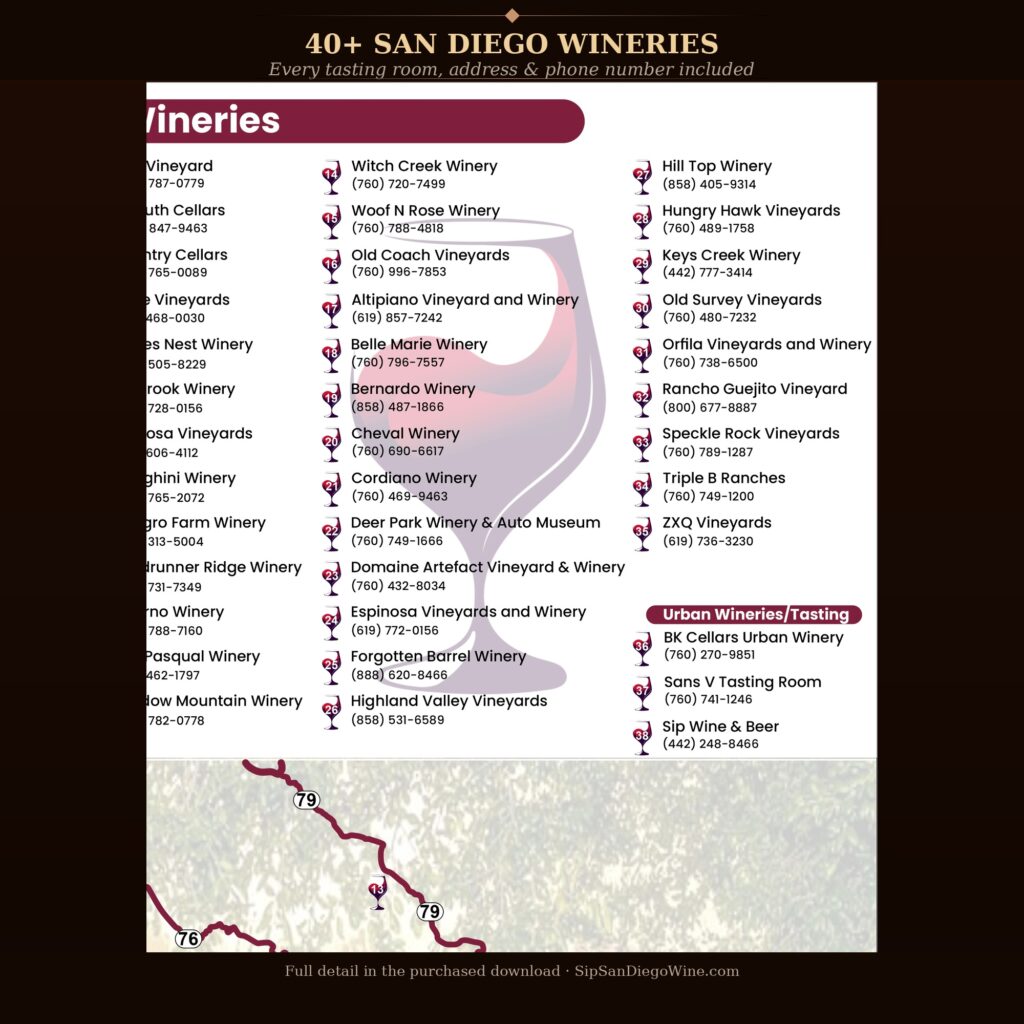
Start with the Sip San Diego Wine Map — it maps every tasting room in the county, plots optimized wine trail routes, and gives you the local context to make the most of every stop.
And to stay current on harvest events, new winery openings, and the best wine experiences happening across San Diego County, subscribe to the Sip San Diego newsletter. One email a week, zero noise.
