
San Diego Wine Tasting for Beginners: Everything You Need to Know
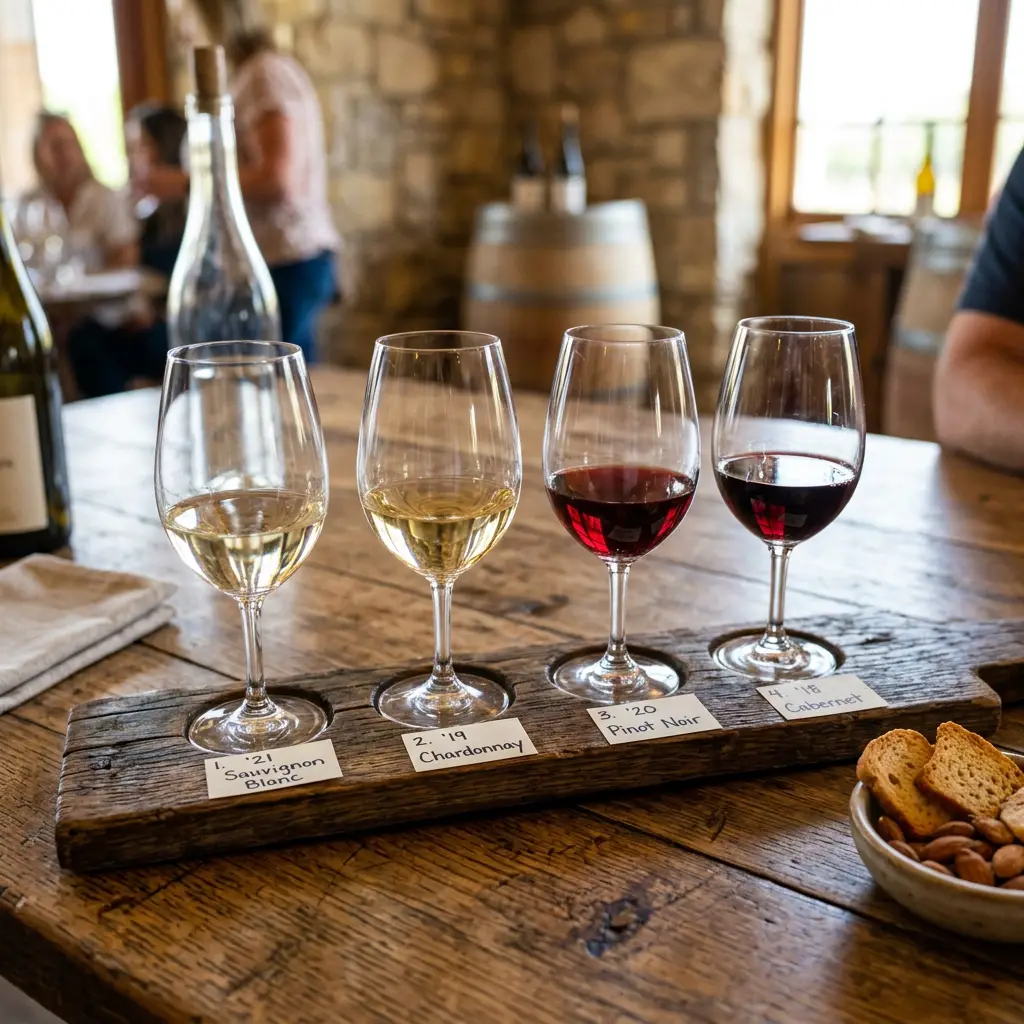
San Diego has over 100 wineries, four distinct growing regions, and a wine scene that most locals have barely scratched the surface of. If you’ve been curious about wine tasting but weren’t sure where to start — or you’ve done a few tastings and want to get more out of them — this guide is for you.
No pretension, no jargon overload. Just practical advice on how to have a great wine tasting experience in San Diego, from the first visit through building a real appreciation for what the region produces.
Start with a Flight, Not a Bottle
Every San Diego winery offers tasting flights — a selection of small pours, usually four to six wines, for a fixed fee. This is the right way to start. Flights let you taste across the range of what a winery produces without committing to a full glass, and they force you to compare wines side by side, which is the fastest way to develop a palate.
Most San Diego tasting flights run $15 to $30 per person. For that price, you’re getting a genuine education and usually a beautiful setting to go with it. Tip: if you join the winery’s mailing list, many will credit the tasting fee toward a bottle purchase.
Browse the San Diego winery directory to find tasting rooms near you and check current tasting fees.
Know the Four San Diego Wine Regions
San Diego’s wine country is spread across four main growing areas, each producing distinctly different wines. Understanding the regions makes every tasting more interesting because you have context for what you’re drinking.
Ramona Valley AVA is San Diego’s most developed wine region — 45 minutes northeast of downtown at 1,400 to 2,800 feet elevation. Bold reds dominate: Zinfandel, Cabernet Sauvignon, Syrah, and Rhône blends. This is where you go for concentrated, age-worthy wines.
San Pasqual Valley is San Diego’s oldest wine region, 30 minutes from downtown. Lower elevation and coastal influence make for more restrained, food-friendly wines — Sangiovese, Viognier, and elegant Syrah. Orfila Vineyards anchors the valley.
Julian sits at 4,000+ feet in the mountains, producing cooler-climate wines that you won’t find anywhere else in the county. Lighter reds, some interesting whites, and a mountain-town experience that makes the drive worth it on its own.
Fallbrook in northern San Diego County shares some character with neighboring Temecula — warm days, granite soils, and Rhône-style wines from small producers who tend to fly under the radar.
Get the full breakdown in the San Diego wine trail guide — or grab the Sip San Diego Wine Map which plots all four regions with every tasting room mapped and routed.
How to Actually Taste Wine (Without Feeling Like an Idiot)
Wine tasting has a reputation for being intimidating. It doesn’t need to be. Here’s a simple three-step approach that works whether you’re brand new or have been doing this for years.
Look. Hold the glass up to light or a white background. What color is it? Is it clear or cloudy? In reds, deeper color usually means more body and tannin. In whites, golden hues often indicate oak aging or more richness. This takes five seconds and gives you a first clue about what you’re about to taste.
Smell. Give the glass a gentle swirl to release aromas, then put your nose just inside the rim and take a slow breath. What do you notice? Fruit, earth, oak, spice, flowers? Don’t overthink it — just say what it reminds you of. There are no wrong answers, and the act of looking for something specific trains your palate faster than anything else.
Taste. Take a sip and let it move around your mouth before swallowing. Notice where you feel it — tannin (that drying sensation) at the back of your cheeks, acidity on the sides of your tongue, sweetness at the front. Does the flavor match what you smelled? Does it linger after you swallow (that’s called the finish)?
That’s it. Look, smell, taste. The vocabulary comes with practice, but the habit of paying attention is what actually develops your palate.
Ask Questions — That’s What the Staff Are There For
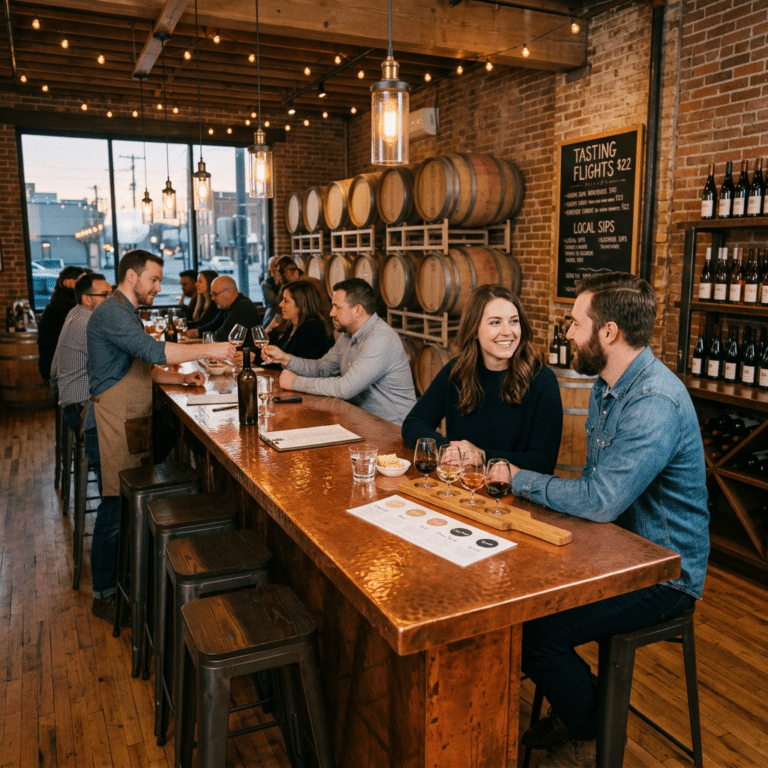
One of the biggest mistakes beginners make at wine tastings is not asking questions. The tasting room staff at San Diego wineries — especially the smaller, owner-operated ones in Ramona — are genuinely passionate about what they make and happy to explain everything from the grape varieties to the farming practices to why this vintage is different from last year’s.
Good questions to ask: What’s the winery’s signature variety? What food would you pair with this? Is this wine ready to drink now or would it benefit from aging? What’s your favorite wine on the list and why?
You don’t need to know anything going in. Curiosity is enough.
Pace Yourself and Eat Something
Wine tasting is a marathon, not a sprint. If you’re hitting two or three wineries in a day — which is a perfectly sensible San Diego wine country plan — pace yourself at each stop. You don’t need to finish every pour. It’s completely acceptable to dump wine you don’t like into the bucket provided (that’s literally what it’s there for).
Eat before you go, eat between stops, and drink water. Most San Diego tasting rooms have snacks available — charcuterie, cheese, crackers — and several have full food programs. Bring cash for tips, which tasting room staff genuinely appreciate.
Check the San Diego wine events calendar for food-and-wine pairing events that build the eating into the tasting experience. And for planning your full day out, the best San Diego wineries guide ranks the top tasting rooms across every region.
The Best First Wineries for Beginners in San Diego
If you’re picking your first San Diego winery visit, go somewhere with approachable staff, a clear range of wines, and a setting that makes the experience feel special. A few that consistently deliver for first-timers:
Orfila Vineyards (San Pasqual Valley) — 30 minutes from downtown, open daily, estate setting, excellent staff. Start here if you want a low-pressure introduction. Full profile in the Orfila Vineyards guide.
Ramona Ranch Winery (Ramona) — great Zinfandel, dog-friendly patio, laid-back atmosphere. A classic Ramona introduction. See the Ramona wineries guide for the full lineup.
Carruth Cellars (Liberty Station, Point Loma) — urban tasting room, no driving required, excellent wines from a San Diego pioneer. The easiest first tasting in the city.
Your San Diego Wine Tasting Journey Starts Here
The best thing about San Diego wine country is that it rewards curiosity without punishing ignorance. Show up, ask questions, taste everything, and buy the bottle of something you loved. That’s the whole game.
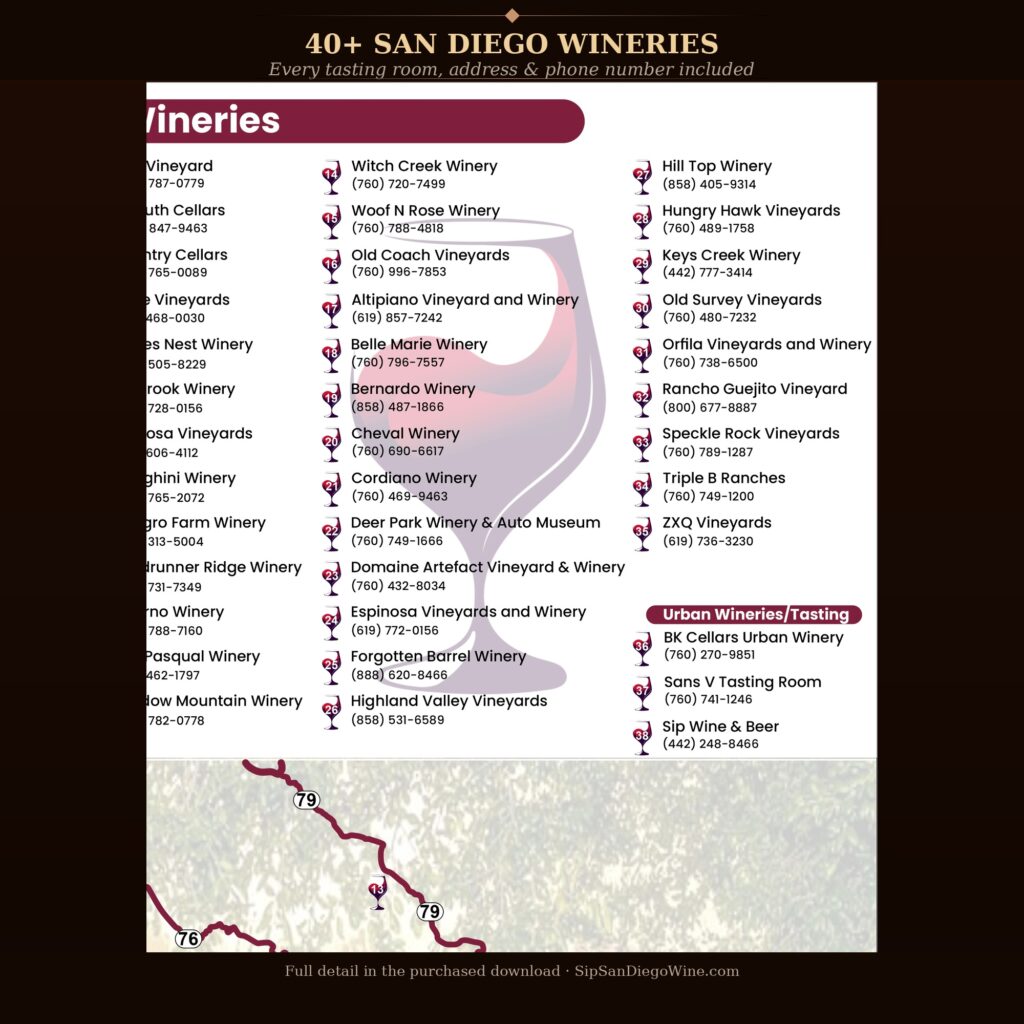
To plan your first — or next — San Diego wine tasting trip, start with the Sip San Diego Wine Map. It maps every tasting room in the county, plots optimized routes between stops, and gives you the local context to make the most of every visit. It’s the one tool every San Diego wine lover needs.
And to stay current on new winery openings, special tasting events, and the best San Diego wine experiences month by month, join the Sip San Diego newsletter. One focused email per week — no noise, just good wine intel.
